

When a Machine Sounds More Empathetic Than a Person
What AI’s apparent warmth reveals about human systems, burnout, and the need for better listening.

Who Is Responsible for AI’s Words?
The machine can generate the sentence. It cannot carry the moral weight of its consequences.

Fluency Is Not Understanding
Why language that sounds wise, caring, or certain should not automatically earn our trust.

Comfort Without Consciousness
Why AI-generated support can help—and why it should not be mistaken for reciprocal care.

The Power of Words in This AI World
When language can comfort, inspire, anger, and persuade—without a conscious speaker behind it.

Humanity Is a Culture Decision
Culture is not what an organization says about people.

Supporting People Without Rescuing Them
Leaders are often told to support their people.

What People Carry Into the Room
Every meeting contains more than the people listed on the invitation.

Compassion Is Not a Soft Standard
One of the persistent myths of leadership is that compassion and accountability sit on opposite sides of the table.

Allowing People to Be Human
What leaders can do when life does not stay outside the workplace

Two Belief Systems, One Quiet Shift
The game itself did not change. The win rate did not change much either. What changed was the relationship to outcomes.

Playing to 300 and Learning to Stay Present
The score kept moving, but over time the emotional swings started to settle. Presence replaced prediction.

How Pattern Recognition Became an Emotional Trap
Seeing patterns in the bot’s strategy helped tactically, but emotionally it led to anticipation, projection, and unnecessary frustration.

When the Numbers Don’t Calm You
Winning most of the time did not automatically create emotional steadiness. The real issue was the story attached to each result.
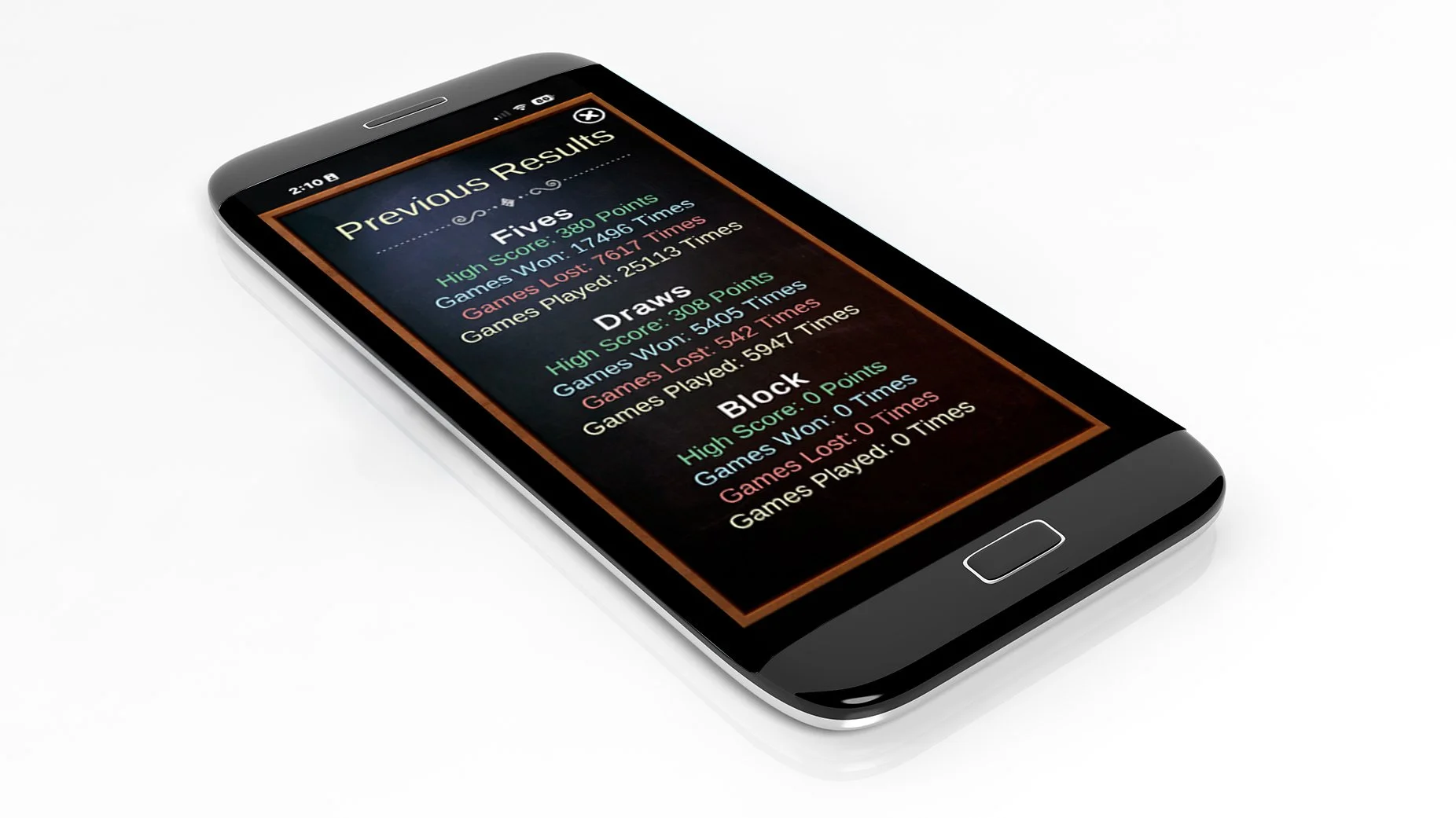
How Playing 25,113 Games of Dominoes Made Me More Emotionally Intelligent
What started as a game became a repeatable lesson in self-awareness, self-regulation, and the emotional meaning attached to winning and losing.

Functional Leaders - Article 4: What Communication Problems Reveal About Culture
Communication issues are often treated as surface problems. A manager rambles. A presentation is cluttered. An email is unclear. But when the same communication patterns show up across a function or across several leadership layers, they are rarely just individual habits. They are clues about culture.

Functional Leaders - Article 3: What a Communication Development Program Should Actually Teach (With Positive Power and Influence® at the Core)
If ApexNova wants faster, better, and more reliable decision‑making, it cannot solve the communication problem with one presentation skills workshop and a few style tips. The issue is broader than polish. It sits at the intersection of thinking, structure, audience awareness, delivery—and the way managers influence in real situations.

Functional Leaders - Article 2: The Four Communication Gaps That Slow Decision-Making
Once ApexNova looked beyond the general complaint that “communication needs work,” four distinct capability gaps became visible. Each of them affected decision quality on its own. Together, they created a persistent drag on organizational performance.

Functional Leaders Article 1: When Communication Becomes a Strategic Bottleneck
Functional leaders rarely complain that their managers are not smart enough. More often, the frustration sounds different: “The analysis is good, but I still don’t know what they want me to do.” “The update was thorough, but I’m not clear on the risk.” “We spent the whole meeting clarifying instead of deciding.”